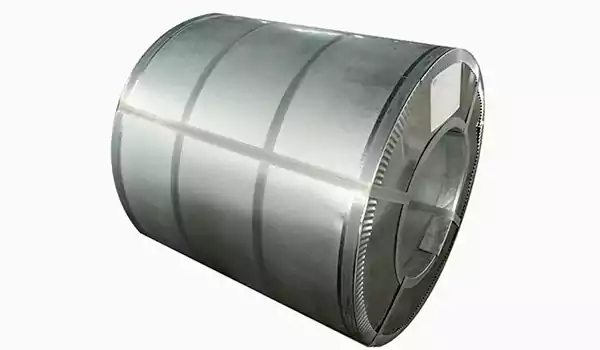
Determining the right steel tube for your application calls for clarity about its specs and real-world uses. Frequent specifications list material, diameter, extent, and acceptable deviations. Considerations like maximum pressure, thermal endurance, and rust protection determine pipe suitability across industrial, commercial, and home settings. Piping systems are used in erection projects, manufacturing plants, infrastructure networks, water and gas delivery, waste removal, framework support and tailored industries
- Recognizing the unique requirements of the work helps identify the best pipe
- Refer to relevant codes and standards to obtain precise metal pipe requirements
- Choose materials based on pressure demands, temperature exposure and corrosive environments
Tubular Steel: Strengthiness, Endurance, and Multipurpose Use
Drawn steel tubes are celebrated for their load-bearing power and are commonly used in industrial, structural and commercial applications. Proven endurance arises from specialized forming and treatment processes. Engineered by converting steel billets and rods into seamless or welded tubes, they provide strong anti-corrosion and wear properties for extended durability in challenging environments. The flexibility of tube steel allows shaping into circles, cylinders or complex geometries to meet tailored project needs. Across large-scale infrastructure, building frameworks and intricate mechanical systems, tube steel's combination of robust strength, long endurance and design flexibility secures its essential role in contemporary construction and manufacturing
Perforated Metal Mesh for Elevated Security and Safety
Expanded metal mesh is regularly selected for roles that require durable security and increased safety precautions. The open configuration enables sightlines and simultaneously acts as a barrier to prevent unauthorized entry and reduce hazards. Configurable hole sizes and sheet gauges let the mesh be adapted to precise operational needs
- Resilient expanded mesh stands up to impact, malicious damage and extreme climatic conditions
- Also, quick installation and low maintenance encourage widespread uptake in various sectors
- For shielding essential facilities and personnel safety in manufacturing sites, expanded metal provides a complete protective approach
Industrial Applications of Steel Mesh
Steel woven or expanded mesh is commonly used in industry for its strength, lasting durability and adaptable use. It forms a firm matrix used in filtration systems, screening equipment, reinforcement layers and protective barriers. In civil construction, steel mesh is often embedded in concrete to strengthen tensile resistance and prevent cracking. Also, it finds use in bridges, tunnels and large engineering schemes for reinforcement and load-bearing roles. Manufacturing processes rely on steel mesh for screens and filters because the tightly woven structure effectively separates materials by size for sorting and purification. Applications in security and safety cover guardrails, fencing and enclosures that help avert unauthorized access and protect workers. With its high tensile strength it is ideal for withstanding impact and force, offering reliable protection in demanding settings
Metal Pipe Structural Implementations
Because of built-in strength, metal pipes are crucial elements across many structural uses. Their formability aids in producing resilient frameworks capable of supporting load-bearing applications across sectors. From multi-storey constructions to bridge spans and underground conduits, metal pipes supply core support and resist demanding environmental conditions. Their corrosion resistance and ease of fabrication further secure their importance in modern construction practices
Choosing Optimal Tube Steel for Fabrication
When engaged in construction or fabrication, deciding on the right tube steel is pivotal. Tube steel combines strength, longevity and lighter weight, making it fit for various applications. Yet the plethora of grades and specs available makes selecting tube steel a sometimes complex task
- Assess the intended role, load demands and operating environment to ensure success
- Elements like wall thickness, cross-sectional diameter and material grade directly influence outcomes
Heavy structural work benefits from thick-walled, robust tube steel while lightweight products like frames suit thin-walled, lighter tubing
Engage expert engineers or proven suppliers to help pick the right tube steel for the specific project
Advantages of Expanded Metal for Building Use
Expanded metal provides several functional and performance benefits suited to construction. The relatively light weight reduces handling difficulty, speeds installation and lowers labor costs. Plus, the open layout promotes air circulation and drainage steel plate which cut down on moisture accumulation. Its durability makes it suitable for high-resistance applications
Connections for Metal Pipes Explained
Pipe connections form essential parts of plumbing and piping setups, enabling the transfer of fluids and gases. Deciding on a connection involves pipe diameter, construction material, pressure rating and the use case. Standard metal pipe connections include threaded, flanged and welded options that vary in strength and sealing performance. Threaded connections fasten male and female threads together, flanged types secure plates with bolts, and welded types create permanent seals by applying heat and pressure. Knowing each connection type's features ensures a leak-proof and functioning piping system
Make-and-Create Uses of Steel Mesh
Metal steel mesh is a strong, durable and adaptable material suitable for a wide range of DIY projects. Its networked open formation fits uses like fences, screens and decorative components. Additionally, it is lightweight and easy to handle, popular among both novice and experienced DIYers
- Consider metal mesh as a material for your next hands-on project
Metallic Pipes: Plumbing and Construction Support
Metal pipes contribute indispensably to today's infrastructure and building practices because of their robust strength, long life and flexibility. Originally used mainly for plumbing and sanitary systems, metal pipes have evolved to play major roles in structural reinforcement and support. From the foundational supports of buildings to the arteries of water and gas distribution, metal pipes offer critical functions in modern systems. Sturdiness equips them to resist high forces and pressures and anti-corrosion traits sustain reliable performance over time. Besides, pipes’ adaptability makes them easy to form into various setups to satisfy different application requirements
Design Flexibility and Functionality of Expanded Metal
Expanded metal brings distinctive design potential together with reliable functional performance. The open layout enables both decorative architectural implementations and practical industrial safety functions. Capacity to bear weight and maintain aesthetics increases expanded metal's appeal
- Furthermore, the open weave improves air circulation and makes it ideal where thermal regulation or heat dissipation is key
- Applications of expanded metal are wide-ranging across construction, manufacturing, transportation and creative design fields
Comments on “Curious about local availability expanded metal sheet supplies?”